
















Healthy competition can teach children how to be their best along with encouraging teamwork and instilling in them a strong work ethic. Competition will also teach children invaluable lessons about sportsmanship, the importance of preparation and discipline. Perhaps the most important lesson it teaches is preparedness for the challenges that life will throw at them. Go ahead and learn more here on this site about health products for you.

Keep in mind that I am talking about healthy competition. We have all seen the over involved parent that, in my opinion, is trying to live vicariously through their child that gets up and yells and screams and berates their child during a football or baseball game. We have all seen the parents that show utter disappointment in their child after a competition if their child doesn’t come in first. Completely ignoring the fact that their child did their best.
We all want our kids to be the best, sometimes we have to accept the fact that they are not going to win everything they set out to do… and expecting them to is just unreasonable. Winning and losing both offer very important life lessons.
Here are seven tips to help you encourage healthy competition in your children.
Tip One: Explain the Importance of Doing their Best
Table of Contents
No one knows your child better then you. What is more important, is that no one can have the profound impact on your child that you have. If you take the time to instill in them that they should always do their best, in everything they do you will be proud of them. This means from the smallest to the biggest thing, making their bed to getting an “A” on that big test.
Tip Two: Lead by Example
This is a biggie. Children learn through what they see and what they hear, the number one person they are looking at to emulate is you. If you are making sure you are putting your best foot forward in all you do, then your child is bound to follow in your footsteps. Honestly, nothing irritates me more than the parents who sit on the sidelines and scream at their child who is out on the field doing all they can while their parents are yelling at them telling them how terrible they are doing. Often I have bit my tongue to prevent me yelling back at them and asking them if they could get out there and run up and down the football field, in pads, consistently for 30 minutes getting hit by boys that are bigger than they are. Instead, I sit there and cheer for their child.
Tip Three: Discuss Family Values
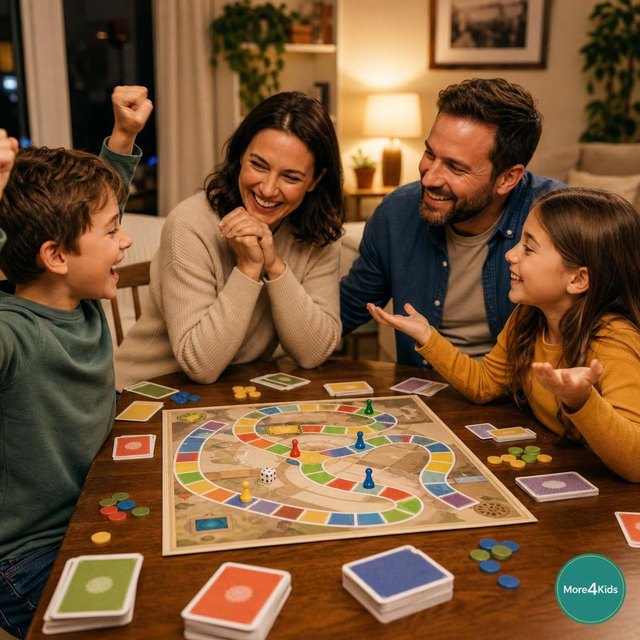
Talk about what your family values are. Let you child know that it isn’t ok to cheat in order to win. Stress the fact that it is important to work together as a team and accomplish things together. Try to arrange activities where the whole family is involved.
Tip Four: Focus on Their Effort Not the Outcome
Try not to send wrong signals to your child. When you are at your kid’s game, try not to focus on the fact that he won or lost, but the fact of how well he played. If your child thinks that you only value them winning, they may feel like they have let you down.
Tip Five: Though Shall Not Judge (a borrowed but well known line)
Don’t let your child judge others. Make it known that judging others is not the right thing to do. Try to watch how you act as far as other people are concerned. Do not let your child see that you envy others for what they have that you don’t have.
Tip Six: Encourage Training/Practice
Help your child to try hard and work towards their improvement. If your child is trying to improve their running time, tell them to make a chart and keep track of every time they run, and record their time on the chart. That way over a period of time they can see how they have progressed or how they need to improve. Offer them praise when they do a good job.

Tip 7: Accept Your Child for Who they Are
Unfortunately, not all children have the desire to be competitive, such as my daughter. It is important to understand that this lack of wanting to be competitive doesn’t mean that they don’t try their best. I have come to understand that for my daughter, it is more about her being happy with what she has done… and less about whether or not she has beaten out anyone else. I guess… in the long run, that is what healthy competition is all about, doing your best and being happy with what you have done.
Why is healthy competition good for children?
Healthy competition helps children develop their personal best, build teamwork skills, and develop a strong work ethic. It teaches invaluable lessons about sportsmanship, the importance of preparation and discipline, and prepares them for the challenges that life will throw at them. Both winning and losing offer important life lessons that build resilience.
How do I encourage healthy competition without putting too much pressure on my child?
Focus on your child’s effort rather than the outcome. When they’re competing, cheer for how hard they’re trying, not just whether they win. Lead by example, discuss your family values around honesty and teamwork, and remind your child that doing their best — in everything from making their bed to scoring on the field — is what truly matters.
What should I do when my child loses a competition?
Resist showing disappointment and instead highlight what they did well. Remind your child that winning and losing are both important life lessons, and that consistent effort and improvement over time counts far more than any single outcome. Children who know their parents value their effort — not just trophies — develop much healthier attitudes toward competition.
How can I help a child who does not like to compete?
Not every child is driven by competition, and that’s completely okay. What matters most is that they try their best and feel happy with what they’ve accomplished. Accept your child for who they are, encourage them in activities they genuinely enjoy, and let them set their own goals for improvement rather than always measuring against others.
How should parents behave on the sidelines during kids’ competitions?
Lead by example. Cheer your child on, praise their effort, and keep your reactions positive — even when the game isn’t going their way. Children learn sportsmanship from what they see at home and on the sidelines. A parent who stays calm, supportive, and encouraging is teaching one of life’s most valuable lessons every single game.




Add Comment